Future Leading Car Radiator Machine Exporter From China: BoBo's Commitment to Global HVAC&R Innovation
NANTONG, JIANGSU, CHINA, March 27, 2026 /EINPresswire.com/ -- The global thermal management landscape is undergoing a radical transformation as the automotive industry shifts toward electrification. High-performance cooling systems no longer represent a luxury but a fundamental necessity for the safety and efficiency of modern battery electric vehicles (BEVs). Consequently, the demand for high-precision manufacturing equipment has skyrocketed. Amidst this evolution, BoBo Machine has established itself as a Future Leading Car Radiator Machine Exporter From China, providing a bridge between advanced engineering and commercial scalability. By integrating three decades of technical expertise with a sharp focus on intelligent manufacturing, the company facilitates the production of next-generation heat exchangers that meet the rigorous standards of the international market.
The Evolution of Thermal Management in the Electric Vehicle Era
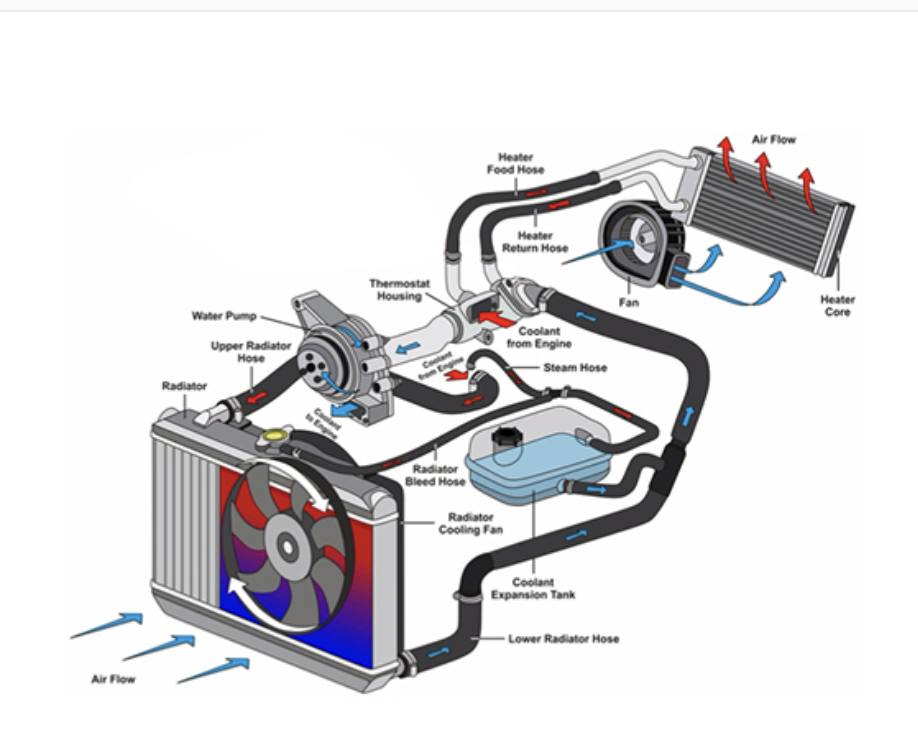
Traditional internal combustion engines rely on relatively straightforward radiator designs. However, electric vehicles require much more sophisticated thermal management systems to regulate battery temperatures, power electronics, and cabin climate control simultaneously. This shift necessitates heat exchangers that are both lighter and more efficient. Aluminum has become the material of choice due to its excellent thermal conductivity and low weight. Nevertheless, working with thin-walled aluminum alloys presents significant manufacturing challenges, particularly regarding structural integrity and leak prevention.
Manufacturers now require machinery that can handle thinner materials without sacrificing speed or quality. Modern radiator production lines must deliver components that operate under higher internal pressures while occupying smaller physical footprints within the vehicle. This industry-wide pressure drives the need for automation and extreme precision in tube and fin production. As global brands seek to optimize their supply chains, they look toward innovators who can provide not just individual machines, but holistic production solutions that adapt to changing technical requirements.
Precision Engineering: High-Frequency Welding and Fin Production
At the heart of any high-performance radiator lies the quality of its tubing and the efficiency of its fins. BoBo Machine addresses these critical areas through its specialized high-frequency welding machines and high-speed fin punching systems. These machines represent the culmination of decades of research into material science and mechanical engineering. High-frequency welding, specifically for aluminum radiator tubes, requires a delicate balance of heat control and mechanical pressure to ensure a flawless longitudinal seam.
The technical superiority of these systems manifests in their ability to maintain consistent weld quality at high speeds. This consistency prevents the micro-fractures that often lead to coolant leaks in inferior products. Furthermore, the integration of advanced sensors allows for real-time monitoring of the welding process, enabling immediate adjustments to maintain peak performance. This level of control is essential for Tier 1 automotive suppliers who must guarantee zero-defect production to their OEM partners.
Advancing Efficiency with Micron-Level Control
Precision is the defining metric in the HVAC&R (Heating, Ventilation, Air Conditioning, and Refrigeration) sector. BoBo Machine differentiates its equipment by achieving a precision tolerance of plus or minus 0.02mm across its core machinery. This micron-level control is particularly vital for high-speed fin punching machines. Fins act as the primary surface for heat dissipation; therefore, any irregularity in the fin height or pitch can significantly degrade the overall heat transfer coefficient of the radiator.
By maintaining such tight tolerances, the machinery ensures that every fin aligns perfectly within the radiator core assembly. This accuracy facilitates a smoother brazing process and results in a more robust final product. Specifically, the high-speed fin machines utilize multi-stage dies that can produce complex louvers designed to turbulence the airflow, thereby maximizing cooling efficiency without increasing the physical size of the unit. This capability directly supports the automotive industry's drive toward lightweighting and compact engine bay designs.
Bridging the Gap Between Traditional Manufacturing and Industry 4.0
The transition from a traditional workshop to a smart factory requires more than just new hardware. It requires a philosophy of continuous improvement and technical foresight. Established in 1995, BoBo Machine has navigated the transition from basic mechanical assembly to highly integrated "Smart Manufacturing." This journey included a pivotal shift in 2004 when the company integrated its industrial manufacturing and international trade departments, allowing for a more direct feedback loop between global market needs and R&D efforts.
A commitment to innovation is evident in the company’s organizational structure. Within its elite team of 50 specialists, approximately 66% are seasoned engineers who focus on R&D, sales, and after-sales services. This high ratio of engineering talent ensures that the equipment remains at the forefront of technological trends. As a recognized national high-tech enterprise, the organization holds 45 invention patents, protecting its proprietary designs in tube welding, fin forming, and automated assembly. Furthermore, the company reinvests 11% of its annual revenue into R&D, a figure that significantly exceeds the industry average. This investment fuels the development of "Industry 4.0" features, such as remote diagnostics and data-driven maintenance schedules, which help global clients minimize downtime.
Global Impact and Proven Success in HVAC&R Automation
The reliability of these systems has led to successful partnerships with some of the world’s most recognizable industrial brands. Companies such as Midea, Siemens, LG, B/S/H, Samsung, and Bundy utilize these technologies to maintain their competitive edge. With a presence in 102 countries and regions, the influence of this Chinese engineering expertise spans across diverse geographical and cultural boundaries. This global footprint is not merely a result of competitive pricing but a reflection of the trust built through the delivery of over 150 successful projects annually.
International clients often face complex logistical and technical demands. Addressing these challenges requires a partner that can offer customized equipment tailored to specific factory layouts and production goals. The ability to tackle such demands has transformed the company from a simple equipment supplier into a strategic global partner. This transition is most evident in the way the company handles large-scale installations, where the focus remains on long-term operational stability rather than a one-time sale.
Streamlining Production for International Markets
A practical example of this engineering impact is the implementation of fully automatic condenser production lines for overseas clients. In a notable case study, a client transitioned from a semi-automated setup to a fully integrated BoBo line. This system synchronized the tube cutting, fin insertion, and core assembly processes into a single seamless flow. Consequently, the client achieved a 30% reduction in labor costs while simultaneously increasing their daily output capacity.
The reduction in manual handling also decreased the risk of component damage, which is a common issue in radiator assembly. By automating the core stacking and clamping process, the machinery ensures that every condenser meets the exact dimensions required for the final brazing furnace. This consistency reduces scrap rates and improves the overall sustainability of the manufacturing process. For international manufacturers facing rising labor costs, such automation provides a clear path to maintaining profitability without compromising on product quality.
Building Sustainable Partnerships Through Engineering Excellence
Looking toward the future, the role of high-precision machinery in the HVAC&R industry will only become more prominent. As environmental regulations tighten and the push for energy efficiency intensifies, the margins for error in heat exchanger manufacturing will shrink further. BoBo Machine remains dedicated to staying ahead of these trends by continuously upgrading its product portfolio. Whether it is through the development of snake tube bending machines for specialized cooling applications or the refinement of high-frequency welding for new aluminum alloys, the focus remains on empowering the client.
The goal is to provide manufacturing solutions that are as innovative as the products they create. By combining thirty years of experience with a forward-looking R&D strategy, the company ensures that its partners can meet the demands of tomorrow. Global purchasers seeking to upgrade their production capabilities can find a wealth of technical resources and customized consultation options to suit their specific industrial needs. This commitment to "Smart Manufacturing in China" continues to propel the standards of the global heat exchange industry to new heights.
For more information, please visit: https://heat-exchange.com/.
The Evolution of Thermal Management in the Electric Vehicle Era
Traditional internal combustion engines rely on relatively straightforward radiator designs. However, electric vehicles require much more sophisticated thermal management systems to regulate battery temperatures, power electronics, and cabin climate control simultaneously. This shift necessitates heat exchangers that are both lighter and more efficient. Aluminum has become the material of choice due to its excellent thermal conductivity and low weight. Nevertheless, working with thin-walled aluminum alloys presents significant manufacturing challenges, particularly regarding structural integrity and leak prevention.
Manufacturers now require machinery that can handle thinner materials without sacrificing speed or quality. Modern radiator production lines must deliver components that operate under higher internal pressures while occupying smaller physical footprints within the vehicle. This industry-wide pressure drives the need for automation and extreme precision in tube and fin production. As global brands seek to optimize their supply chains, they look toward innovators who can provide not just individual machines, but holistic production solutions that adapt to changing technical requirements.
Precision Engineering: High-Frequency Welding and Fin Production
At the heart of any high-performance radiator lies the quality of its tubing and the efficiency of its fins. BoBo Machine addresses these critical areas through its specialized high-frequency welding machines and high-speed fin punching systems. These machines represent the culmination of decades of research into material science and mechanical engineering. High-frequency welding, specifically for aluminum radiator tubes, requires a delicate balance of heat control and mechanical pressure to ensure a flawless longitudinal seam.
The technical superiority of these systems manifests in their ability to maintain consistent weld quality at high speeds. This consistency prevents the micro-fractures that often lead to coolant leaks in inferior products. Furthermore, the integration of advanced sensors allows for real-time monitoring of the welding process, enabling immediate adjustments to maintain peak performance. This level of control is essential for Tier 1 automotive suppliers who must guarantee zero-defect production to their OEM partners.
Advancing Efficiency with Micron-Level Control
Precision is the defining metric in the HVAC&R (Heating, Ventilation, Air Conditioning, and Refrigeration) sector. BoBo Machine differentiates its equipment by achieving a precision tolerance of plus or minus 0.02mm across its core machinery. This micron-level control is particularly vital for high-speed fin punching machines. Fins act as the primary surface for heat dissipation; therefore, any irregularity in the fin height or pitch can significantly degrade the overall heat transfer coefficient of the radiator.
By maintaining such tight tolerances, the machinery ensures that every fin aligns perfectly within the radiator core assembly. This accuracy facilitates a smoother brazing process and results in a more robust final product. Specifically, the high-speed fin machines utilize multi-stage dies that can produce complex louvers designed to turbulence the airflow, thereby maximizing cooling efficiency without increasing the physical size of the unit. This capability directly supports the automotive industry's drive toward lightweighting and compact engine bay designs.
Bridging the Gap Between Traditional Manufacturing and Industry 4.0
The transition from a traditional workshop to a smart factory requires more than just new hardware. It requires a philosophy of continuous improvement and technical foresight. Established in 1995, BoBo Machine has navigated the transition from basic mechanical assembly to highly integrated "Smart Manufacturing." This journey included a pivotal shift in 2004 when the company integrated its industrial manufacturing and international trade departments, allowing for a more direct feedback loop between global market needs and R&D efforts.
A commitment to innovation is evident in the company’s organizational structure. Within its elite team of 50 specialists, approximately 66% are seasoned engineers who focus on R&D, sales, and after-sales services. This high ratio of engineering talent ensures that the equipment remains at the forefront of technological trends. As a recognized national high-tech enterprise, the organization holds 45 invention patents, protecting its proprietary designs in tube welding, fin forming, and automated assembly. Furthermore, the company reinvests 11% of its annual revenue into R&D, a figure that significantly exceeds the industry average. This investment fuels the development of "Industry 4.0" features, such as remote diagnostics and data-driven maintenance schedules, which help global clients minimize downtime.
Global Impact and Proven Success in HVAC&R Automation
The reliability of these systems has led to successful partnerships with some of the world’s most recognizable industrial brands. Companies such as Midea, Siemens, LG, B/S/H, Samsung, and Bundy utilize these technologies to maintain their competitive edge. With a presence in 102 countries and regions, the influence of this Chinese engineering expertise spans across diverse geographical and cultural boundaries. This global footprint is not merely a result of competitive pricing but a reflection of the trust built through the delivery of over 150 successful projects annually.
International clients often face complex logistical and technical demands. Addressing these challenges requires a partner that can offer customized equipment tailored to specific factory layouts and production goals. The ability to tackle such demands has transformed the company from a simple equipment supplier into a strategic global partner. This transition is most evident in the way the company handles large-scale installations, where the focus remains on long-term operational stability rather than a one-time sale.
Streamlining Production for International Markets
A practical example of this engineering impact is the implementation of fully automatic condenser production lines for overseas clients. In a notable case study, a client transitioned from a semi-automated setup to a fully integrated BoBo line. This system synchronized the tube cutting, fin insertion, and core assembly processes into a single seamless flow. Consequently, the client achieved a 30% reduction in labor costs while simultaneously increasing their daily output capacity.
The reduction in manual handling also decreased the risk of component damage, which is a common issue in radiator assembly. By automating the core stacking and clamping process, the machinery ensures that every condenser meets the exact dimensions required for the final brazing furnace. This consistency reduces scrap rates and improves the overall sustainability of the manufacturing process. For international manufacturers facing rising labor costs, such automation provides a clear path to maintaining profitability without compromising on product quality.
Building Sustainable Partnerships Through Engineering Excellence
Looking toward the future, the role of high-precision machinery in the HVAC&R industry will only become more prominent. As environmental regulations tighten and the push for energy efficiency intensifies, the margins for error in heat exchanger manufacturing will shrink further. BoBo Machine remains dedicated to staying ahead of these trends by continuously upgrading its product portfolio. Whether it is through the development of snake tube bending machines for specialized cooling applications or the refinement of high-frequency welding for new aluminum alloys, the focus remains on empowering the client.
The goal is to provide manufacturing solutions that are as innovative as the products they create. By combining thirty years of experience with a forward-looking R&D strategy, the company ensures that its partners can meet the demands of tomorrow. Global purchasers seeking to upgrade their production capabilities can find a wealth of technical resources and customized consultation options to suit their specific industrial needs. This commitment to "Smart Manufacturing in China" continues to propel the standards of the global heat exchange industry to new heights.
For more information, please visit: https://heat-exchange.com/.
BOBO Machine Co.,Ltd.
+ +8615962807500
sotu@heat-exchange.com
Visit us on social media:
LinkedIn
YouTube
Other
Legal Disclaimer:
EIN Presswire provides this news content "as is" without warranty of any kind. We do not accept any responsibility or liability for the accuracy, content, images, videos, licenses, completeness, legality, or reliability of the information contained in this article. If you have any complaints or copyright issues related to this article, kindly contact the author above.